
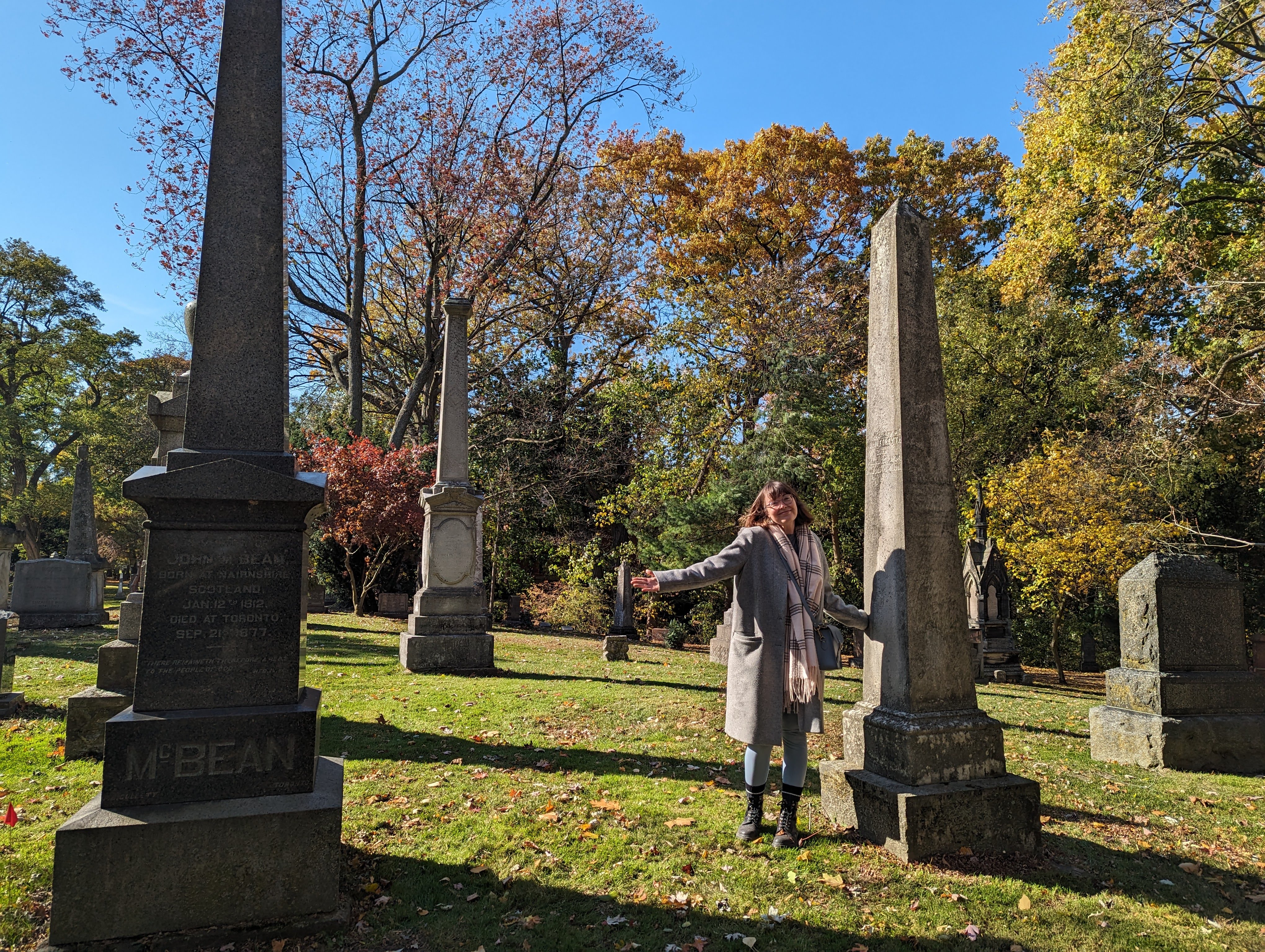
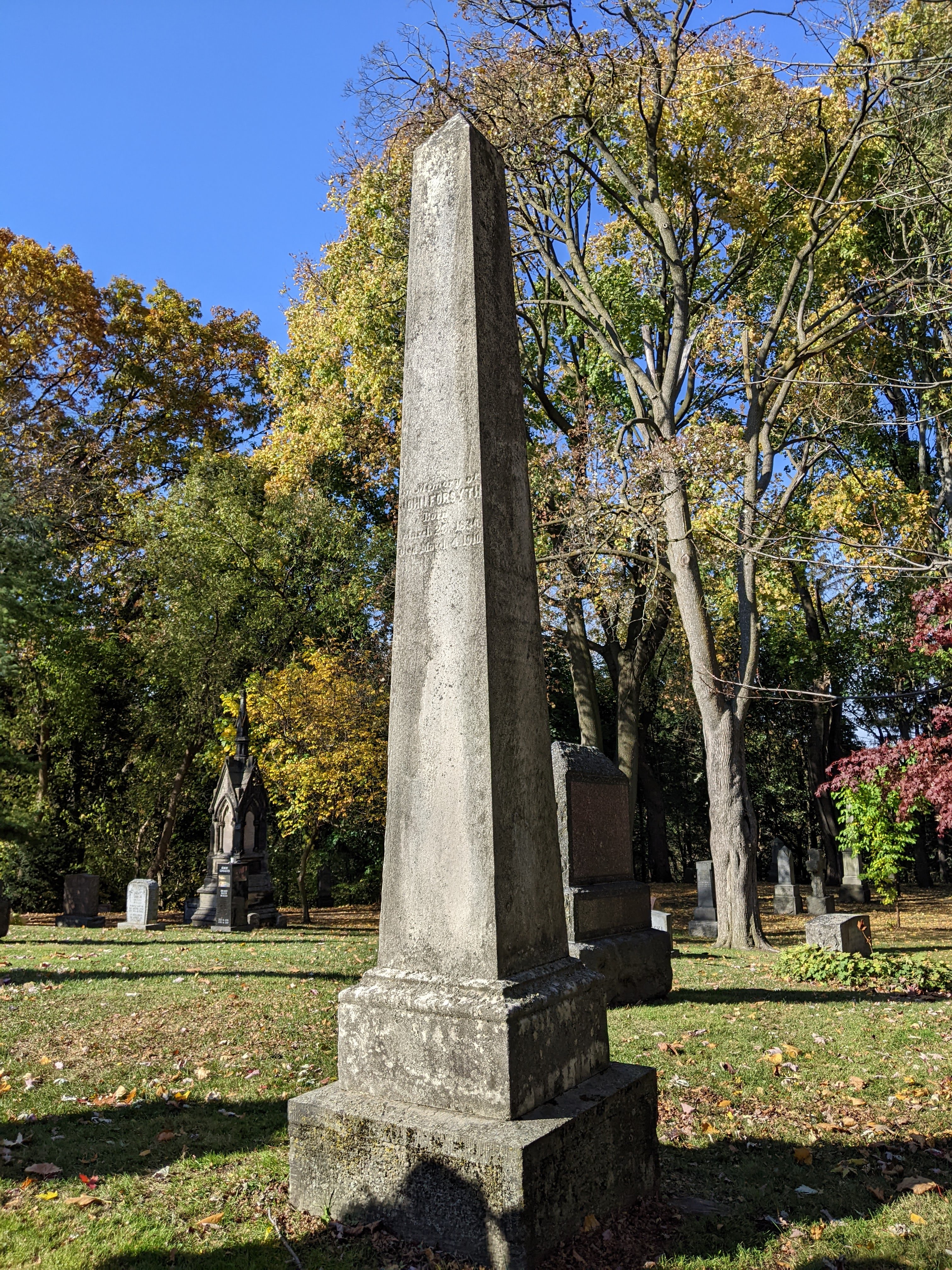
As Mount Pleasant Group (MPG) marks 200 years in 2026, we’re sharing stories that reflect the families, lives and histories connected to our cemeteries through our 200 Stories Project. As part of this initiative, we welcome people sharing their family connections to our history. Recently, we heard from Heather Ainsley of London, Ont., who was happy to share the story of her family history with us.
When Heather lived in Toronto, Mount Pleasant Cemetery was one of her favourite places in the city.
“I was obsessed with it,” she said. “It’s one of my top three places in Toronto.”
Heather still makes a point of visiting whenever she returns to the city. Drawn to cemeteries, history and old neighbourhoods, she spent years walking through Mount Pleasant Group’s Mount Pleasant and Toronto Necropolis cemeteries simply out of interest, long before she knew her own family history was deeply connected to these places.
That connection came into focus through genealogical research and a growing curiosity about her ancestors. Using census records, burial registers and later an Ancestry DNA kit, Heather began tracing her family line back through Toronto’s early history. What she discovered was both fascinating and humbling.
One of her earliest Toronto ancestors was her fourth great‑grandfather, Luke Sharp(e), born in Ireland in 1812. Heather found his burial record in Potter’s Field, the city’s first non-denominational burial ground, operated by the organization that would later become MPG. The cemetery was originally located near what we know today as the intersection of Yonge and Bloor streets.
Public pressure from Yorkville residents led to the closure of Potter’s Field in 1875, and the remains buried there were relocated to either Toronto Necropolis in Riverdale or to Mount Pleasant Cemetery.
Heather learned that Luke worked as a saddler at 115 King Street, the site now known as the Sculpture Garden, across from St. James Cathedral. Luke died young, likely in his late 20s or early 30s, leaving behind two children. His burial record listed the cause of death as apoplexy, what is now commonly known as a stroke.
“It’s kind of terrifying to look at those records,” Heather said. “What a harrowing life he must have had.”
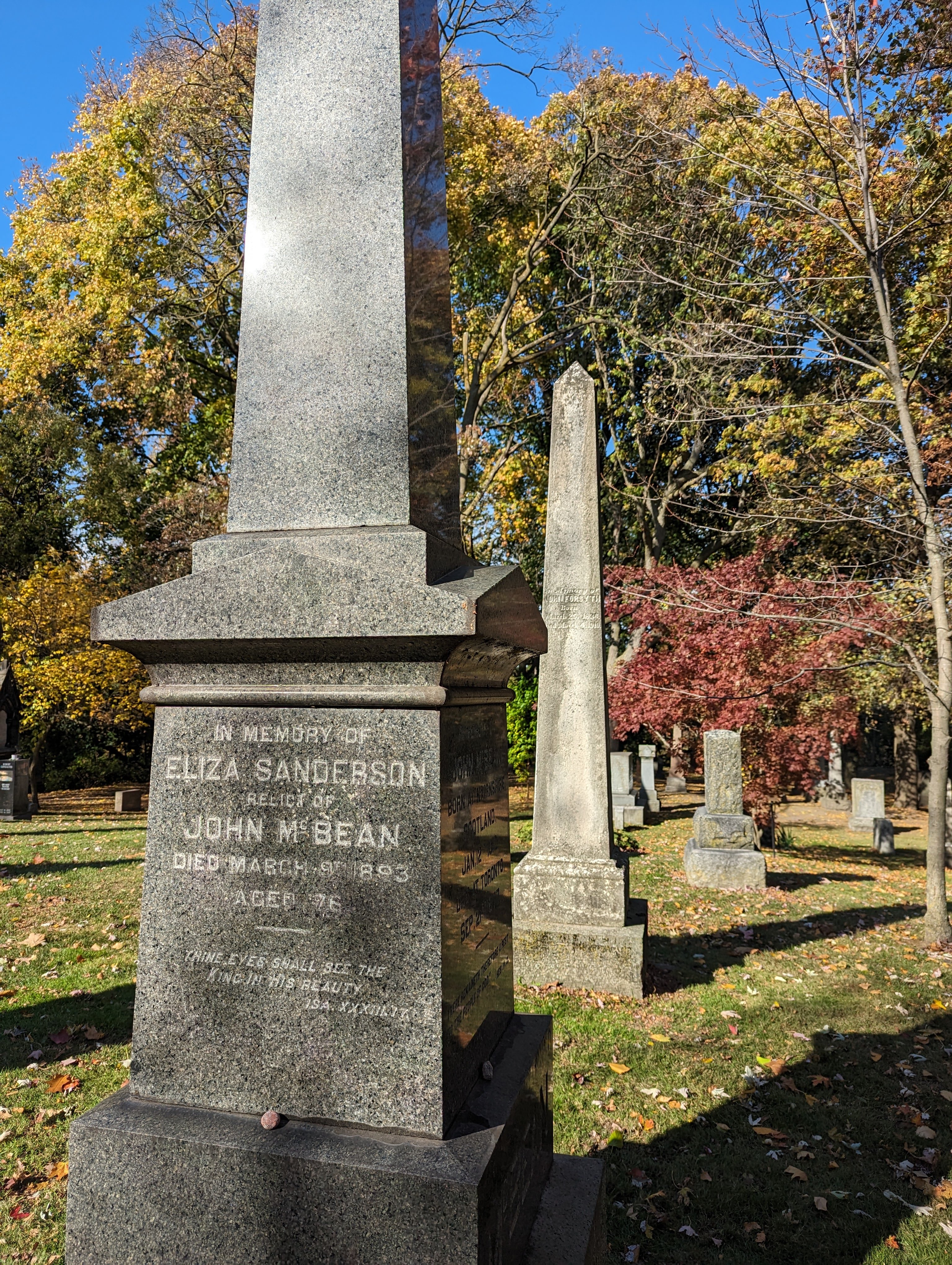
She later learned that Luke’s remains were relocated to Toronto Necropolis, where his grave marker still exists, though it is now crumbling.
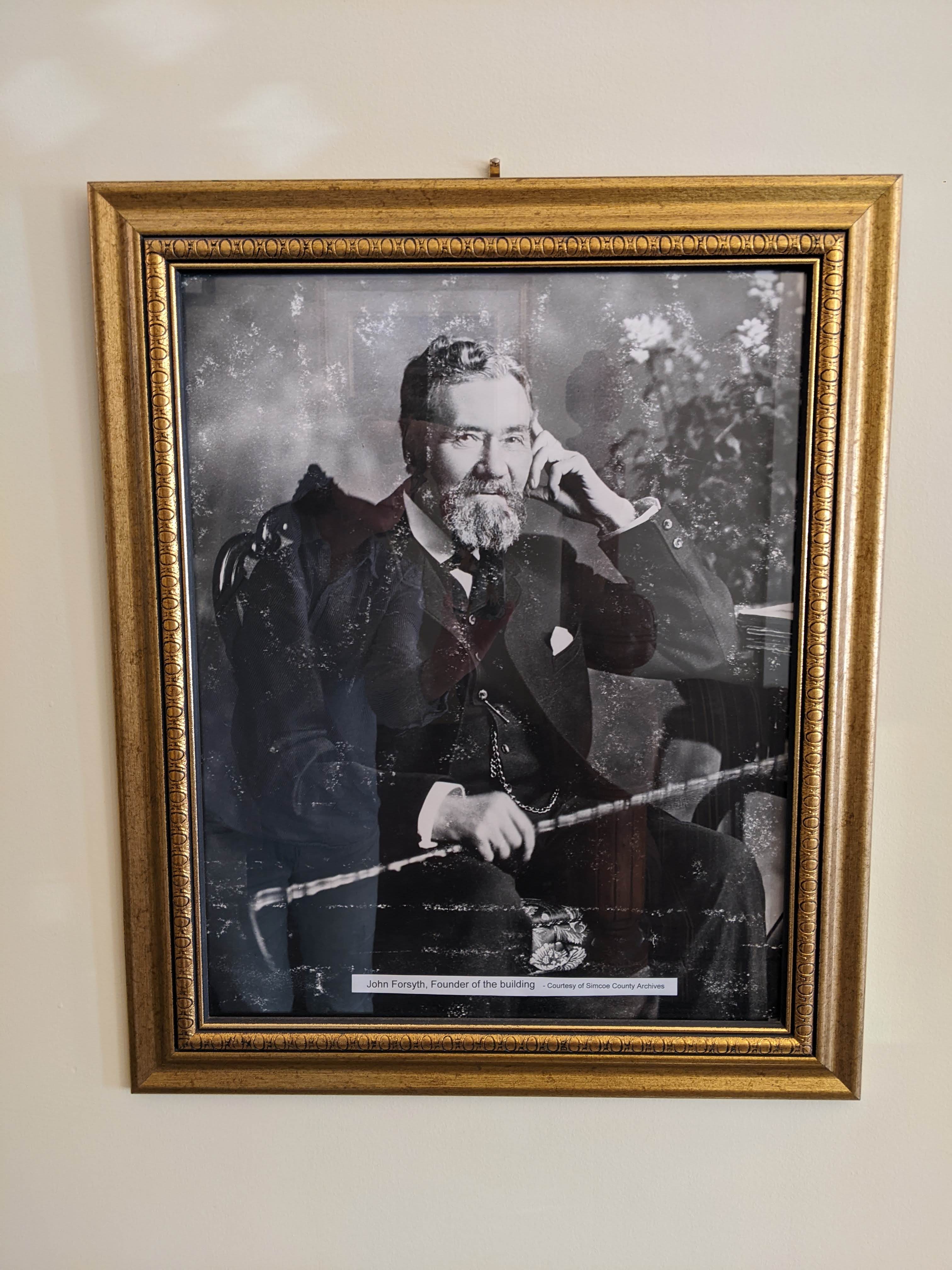
Heather’s research continued through Luke’s daughter, Mary Sharp(e), her third great‑grandmother. Mary was born in Toronto in 1834, a detail Heather finds especially meaningful. Mary married John Forsythe in Toronto in 1862, exactly 153 years before Heather herself was married in the city.
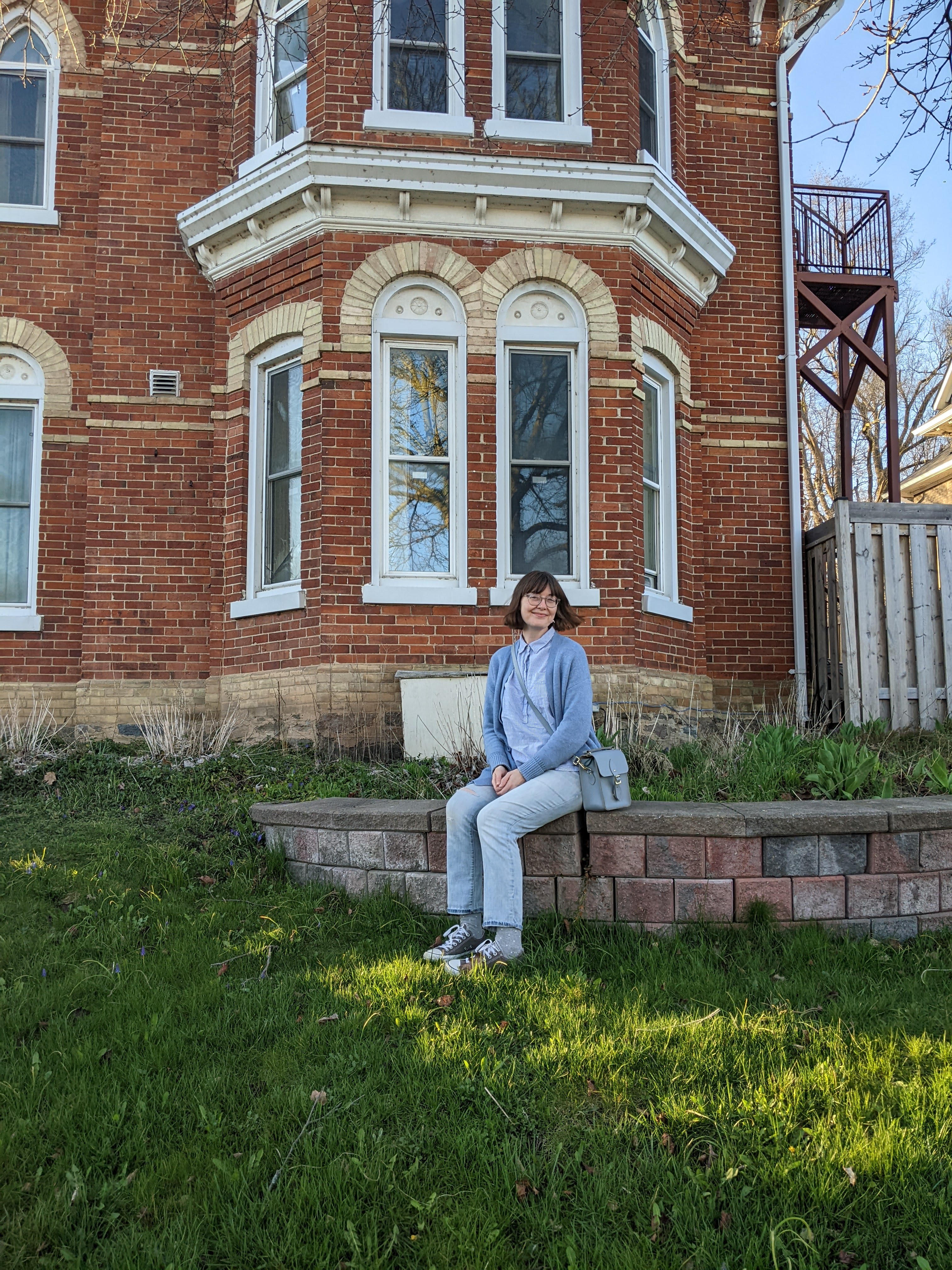
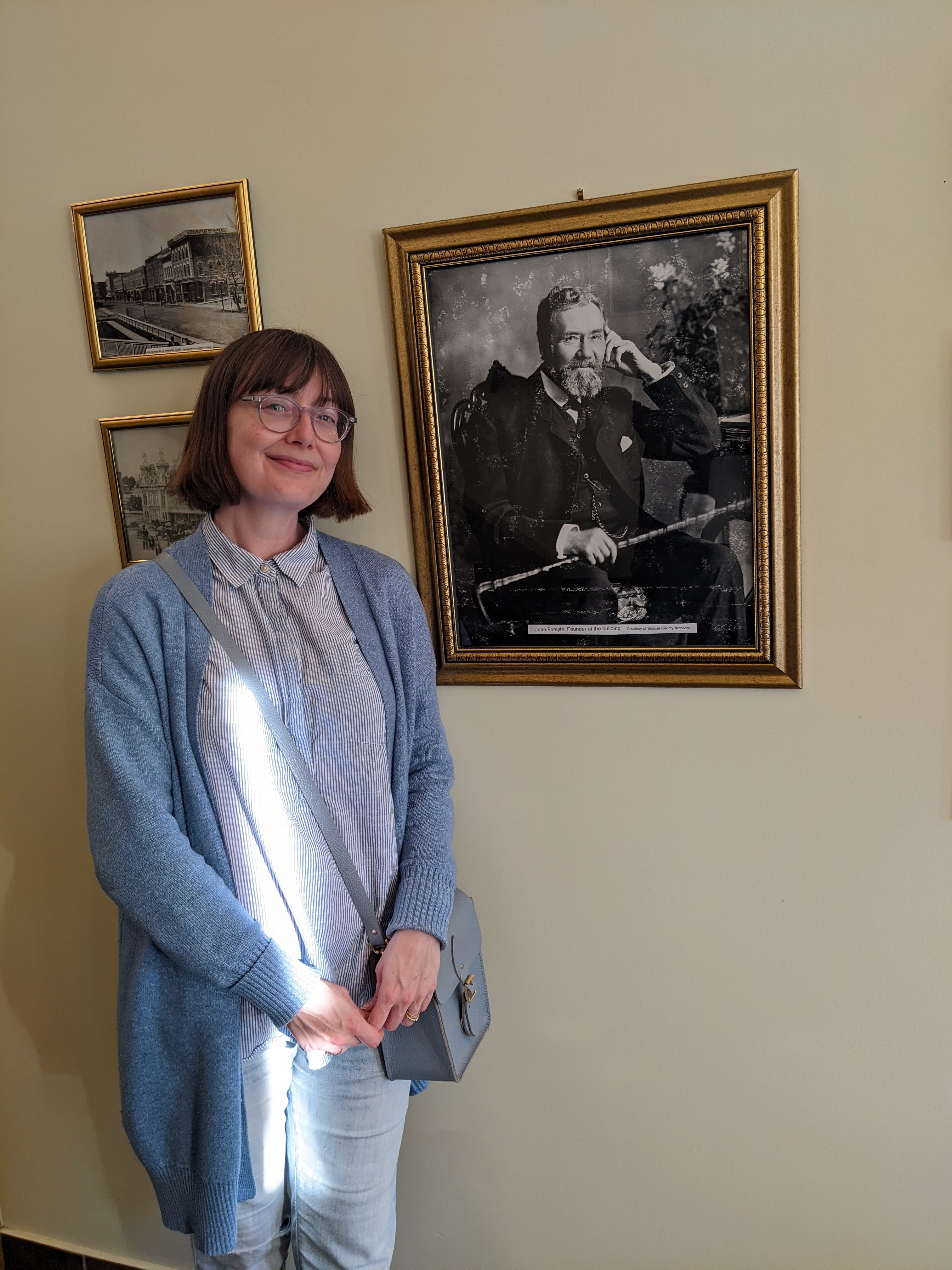
As Heather traced Mary’s life, she followed her family’s movements from Toronto to Barrie, where John became the chief postal clerk. Census records show the family prospered, eventually living in a large home overlooking Kempenfelt Bay known as The Poplars. Mary lived there until her death at the age of 93. Later, the house was donated to a church, a decision Heather marvels at.
“It has been listed on the market for the last two years for over $2 million,” she laughed. “I can't believe they gave away my birthright!”
Throughout this journey, cemeteries remained central, not just as places of burial, but as places of discovery. With help from cemetery staff and detailed section records, Heather was able to locate family tombs, piece together relationships and resolve long‑standing questions about parentage and remarriages.
“I spent so much time in Necropolis for fun and then to find out that your ancestors are buried there, to find that you have a connection there, it just made a feeling of connection and home and belonging,” said Heather. “It’s just really cool.”
Heather is keenly aware of how Toronto has changed around these historic spaces. She’s fascinated by the contrast between the past and present: cemeteries beneath subway lines and horse‑drawn hearses replaced by Ubers waiting at the gates.
“It’s mind‑blowing to imagine what the city looked like 200 years ago,” she said.
For Heather, these discoveries are more than historical facts. They are deeply personal. She often wonders what her ancestors would think if they could see the city today or know that their lives are being remembered and shared.
“I think it would be wonderful for them to know we’re talking about them now,” she said. “We all exist because of them.”
Through her research and reflections, Heather has come to see Toronto’s cemeteries not only as resting places, but as living archives – spaces that hold stories of courage, migration, resilience and belonging. And it felt fitting that she had been drawn to Toronto Necropolis long before she understood her family’s connection to it.
As Mount Pleasant Group marks 200 years, stories like Heather’s speak to the role cemeteries play in Toronto’s growth and memory. Long after neighbourhoods change and skylines rise, these spaces continue to quietly hold the stories of the people who helped shape the city, waiting to be rediscovered.


