When people living with serious illness arrive at a hospital, it is often during a moment of crisis. Too often, palliative care is introduced late, leaving little time for thoughtful conversations, planning or connecting to community supports.
Hospice Georgian Triangle set out to change that.
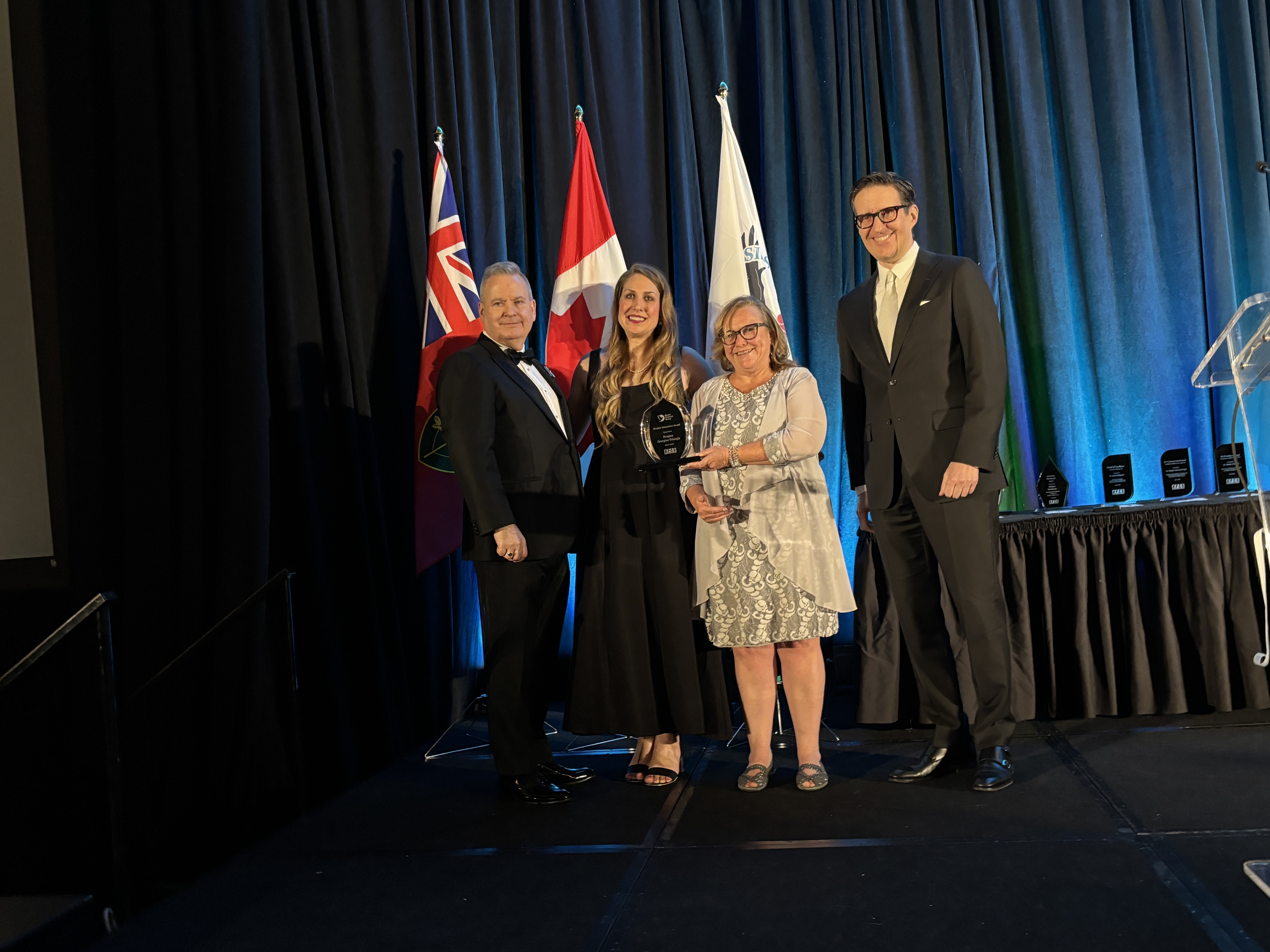
The organization is the 2026 recipient of the Mount Pleasant Group Hospice Innovation Award, established in 2019 to recognize innovative solutions and care delivery by community-based hospices across Ontario. The hospice receives $10,000 in recognition of its Palliative Care Resource Nurse (PCRN) role – an initiative that brings hospice expertise directly into the acute-care setting at Collingwood General and Marine Hospital (CGMH).
CEO Trish Rawn says the award highlights what collaboration across the system can achieve.
“Recognition like this helps shine a light on what is possible when community hospice and acute care work together,” said Trish. “It strengthens our resolve, helps us tell the story to donors and partners, and reinforces that hospice has an important role to play beyond our walls.”
The idea of the PCRN role was rooted in a clear gap. Post-pandemic pressures, staffing shortages and increasing patient complexity meant that people were not always getting the right care at the right time or place.
“We were seeing patients and families reach palliative care too late,” said Trish. “We knew there was an opportunity to bring hospice expertise earlier, right where patients were already receiving care.”
The PCRN role does exactly that. Embedded within the hospital, the nurse works alongside clinical teams to support patients with serious illness and their families. In simple terms, the role acts as a guide, advocate and connector, helping people understand their options, supporting symptom and care planning conversations, and linking them to hospice and community resources.
“When one nurse could sit with a patient, understand what mattered most to them, connect the family to supports and help the hospital team plan the next right step, we could see the difference immediately,” said Trish.
In its first year, the program supported 461 referrals, including 233 direct hospice referrals, 126 transfers to Campbell House for end-of-life care and more than 100 emergency department consultations. The role also helped avoid hospital admissions in 40 cases by redirecting patients to more appropriate care settings.
Beyond the numbers, the difference is felt in quieter, more personal ways. Families have someone to turn to in a confusing and emotional time – someone who can explain what is happening, answer questions and help them navigate difficult decisions. Families describe the nurse, Alana, as “a warm hug” during an incredibly challenging period.
The role also reaches beyond individual patients. By mentoring and educating hospital staff, the PCRN has helped build palliative care capacity across more than 100 healthcare providers, ensuring that a compassionate, person-centred approach continues to grow throughout the system.
“Alana has had such a profound impact, but the real power of this model is that it changes the system around her,” said Trish. “When more than 100 healthcare providers build confidence in a palliative approach, patients benefit long after a single consultation. It means better conversations, earlier referrals, stronger symptom support and more compassionate care across the hospital.”
What makes the model distinctive is its partnership. Hospice Georgian Triangle brings specialized palliative expertise, while CGMH provides the acute-care environment and clinical teams. Together, they are strengthening care transitions between hospital, home and hospice, creating a more connected experience for patients and families.
“To have somebody there who is knowledgeable and caring, who helps you navigate that journey and walks with you along the way, is the number one thing that can happen,” said Hospice Georgian Triangle Foundation Executive Director Sandra Sullivan. “This is not innovation for the sake of innovation; it’s an innovation that meets people at the bedside.”
The recognition from Mount Pleasant Group affirms both the impact and the potential of the model. It highlights a broader shift in how palliative care is understood – not as something reserved for the final days, but as an approach that can support people earlier in their illness.
As Hospice Georgian Triangle continues to expand its work, including residential care at Campbell House, community visits and grief support services, the PCRN role offers a compelling example of how collaboration and compassion can reshape the experience of serious illness.
At its core, the initiative is simple: a steady, knowledgeable presence helping patients and families find comfort, clarity and the next right step wherever they are.


