
As Mount Pleasant Group (MPG) marks 200 years in 2026, we’re sharing stories that reflect the families, lives and histories connected to our cemeteries through the 200 Stories Project. As part of this initiative, we welcome people to reflect on their personal connections to our history. Recently, we heard from Mark Francis, a former employee who spent his entire 42‑year career with MPG.
Mark joined MPG in 1977, starting on the grounds at York Cemetery as a backhoe operator. After a year in the role, he realized it wasn’t the right fit and began making plans to leave for a job at a local car dealership. That plan was quickly shut down by his manager, Don Timney, who oversaw both Mark’s position and the Repair Shop – and was determined not to let him go.
“Don was lovely and big‑hearted. He was loud and would tell you what he was thinking,” said Mark. “I wasn’t looking forward to telling him I was leaving. When I did tell him, he said ‘No.’ He wouldn’t let me leave.”
Instead, Don moved Mark into the Repair Shop three days a week until someone could take his place on the grounds. Before long, Mark transitioned into the shop full‑time. It was there that he was able to apprentice as a mechanic, earning his license in the early 1980s.
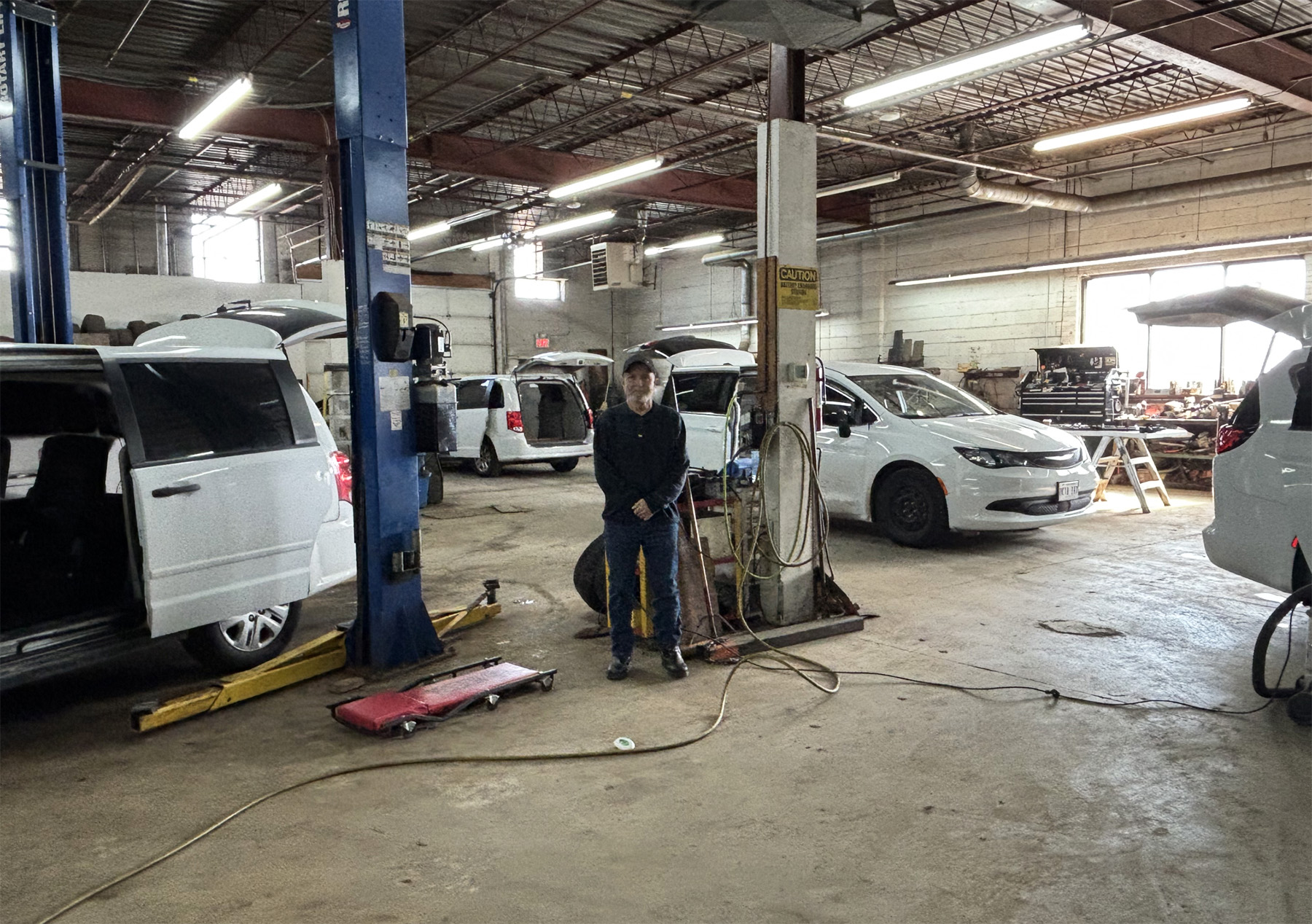
Within MPG, the Repair Shop plays a behind‑the‑scenes but essential role. The team maintains and repairs the specialized equipment used across MPG’s cemetery sites from mowers and backhoes to crematorium equipment and gates, ensuring operations can continue safely, efficiently and without delay. For families and clients, that work makes a real difference, supporting everything from daily grounds care to time‑sensitive services.
Mark remained at the Repair Shop until his retirement in 2019, taking on first the role of supervisor and then manager in 1993. Over the years, the scope of the work was vast and certainly not the work of a typical mechanic. The job required adaptability, problem‑solving and a willingness to head out on the road, often responding directly to cemetery sites rather than working solely from the shop.
Humble Beginnings
In the early days of the Repair Shop, the on‑the‑road work had a humble start. Technicians were sometimes sent out with a box of tools in the back of a four‑door sedan. Gradually, that changed. The team began outfitting dedicated service vehicles, starting with a small van and eventually expanding to fully equipped cube vans – an evolution that reflected both growing needs and a better understanding of what the job required.
While the equipment, vehicles and scale of the operation evolved over time, Mark says the core of the job remained largely the same from the late 1970s through to his retirement.
“You would get your work order in the morning, go to the property and fix their equipment. If they had any other problems, you would fix that as well. The whole idea of having this shop was for convenience, not to make money,” said Mark. “It was set up so that when a cemetery called, someone would go right away. With a dealership, you could wait two to three days to get a backhoe fixed. That wouldn’t work for us in the cemetery business.”
As manager, Mark oversaw an increasingly wide range of work, from fence repairs and welding to maintaining gates, fabricating metal components, servicing crematorium equipment and repairing retorts. At times, the volume of work required bringing in outside support, but the goal was always the same: to keep operations moving and support the work happening across MPG’s sites.
Over the years, Mark helped scout a new location for the Repair Shop, relocating it from York Cemetery grounds to its own warehouse. During this time, the shop was designated as a Safety Inspection Centre, and Mark spent about a decade supporting health and safety training for students operating the equipment.
Looking Back with Pride
When Mark looks back on his time at MPG, what he’s most proud of is simple: the Repair Shop employees never let anyone down. No matter the problem, he and his team found a solution – sometimes imperfect, but always effective enough to keep cemetery operations moving. Over the years, they standardized equipment to reduce costs and downtime, built custom tools in‑house and re‑engineered processes to make the work safer, faster and easier on staff. From designing long‑lasting excavation attachments to developing equipment that reduced labour and back injuries, Mark and his team focused on one goal: making the machines work for the people, not the other way around.
Most importantly, Mark says the Repair Shop gave him a second family.
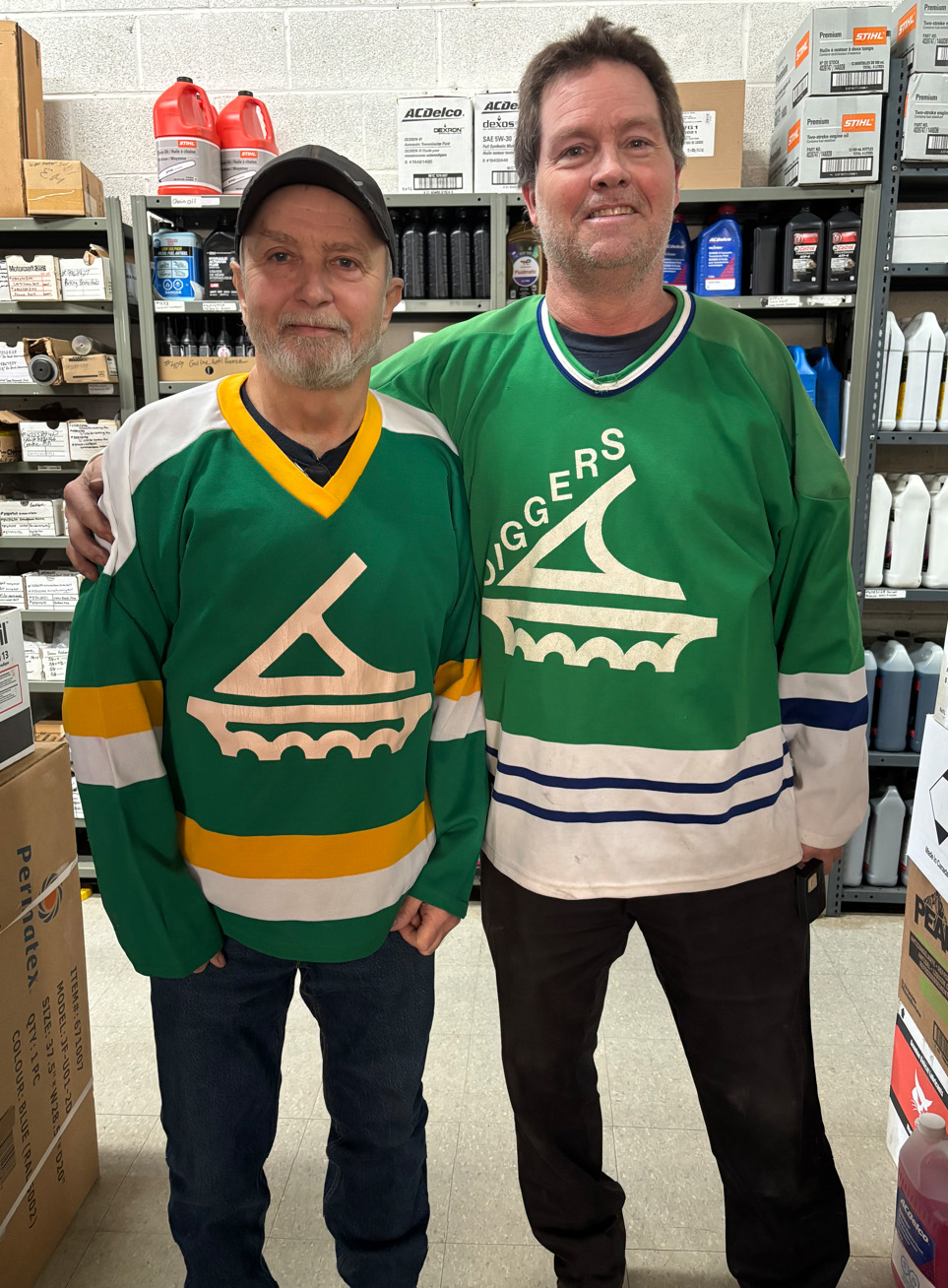
“This shop is one of the departments where people stayed,” he said. “Most of us were here for 30‑odd years. Mark Harvie has been here for 41 years, Debbie Heathcote was here before Mark, and Geoff Smith has been here for a long time too. We worked together, but we also played together. We never had any issues. We had fun, joked around, went snowmobiling and played hockey together after hours.”
These days, Mark still drops by the shop from time to time, when not being a full‑time mechanic for his children or tinkering with his car collection.
“Mark Harvie and I are still good friends,” he said. “I miss the camaraderie, but I keep busy. I’ve got a shop at home. My equipment and my kids keep me busy.”
What Mark does know is that he left the Repair Shop in very good hands. One of the reasons he felt comfortable retiring is knowing that Mark Harvie – affectionately called Junior – would take over the reins, carrying forward the same care, problem‑solving mindset and commitment to the people and places MPG serves.


